

TREATMENT OPTIONS

Understanding the TREATMENT
What Are Osteochondral Grafts?
Osteochondral grafts are small “plugs” of healthy cartilage and bone. If you have a deep cartilage lesion with underlying (or subchondral) bone damage, your surgeon may recommend an OATS® (or osteochondral autograft/allograft transplant) procedure.
There are several types of osteochondral grafts, all of which aim to replace the damaged cartilage and bone. Your surgeon will choose the best option for your specific needs.
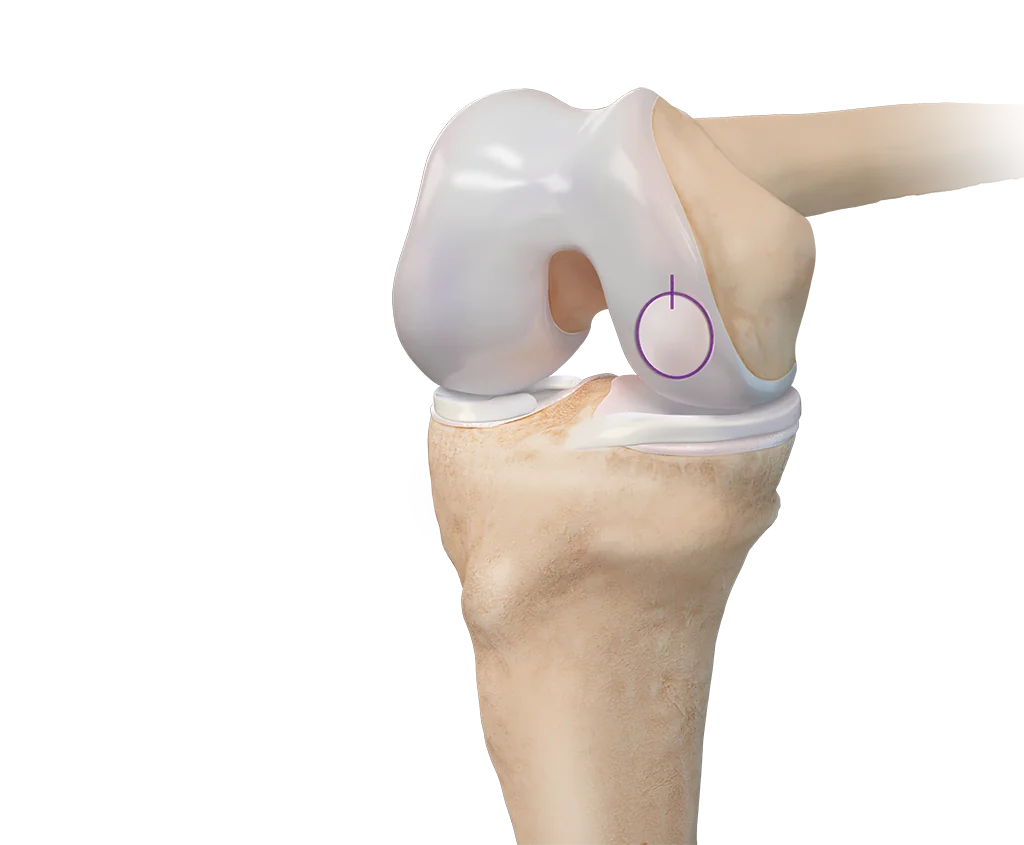
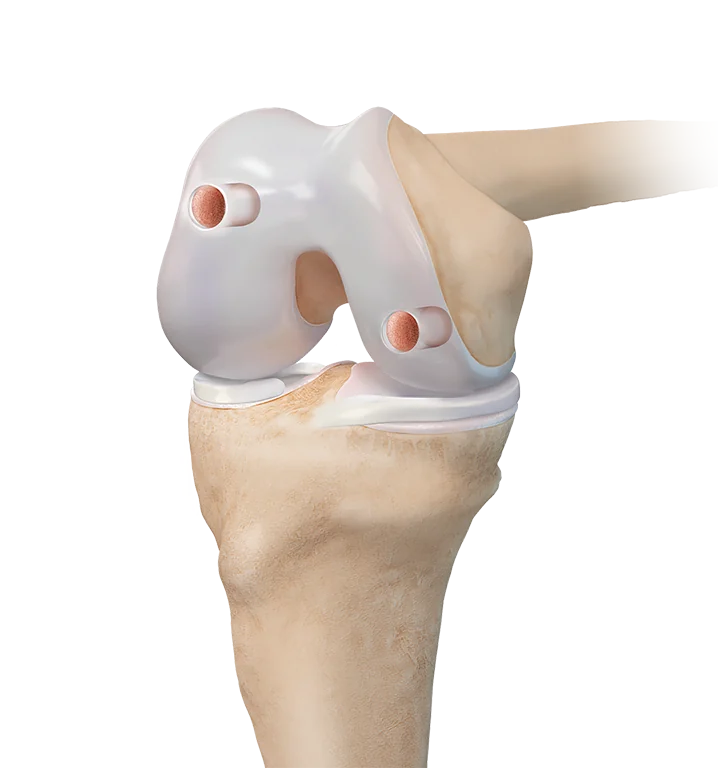
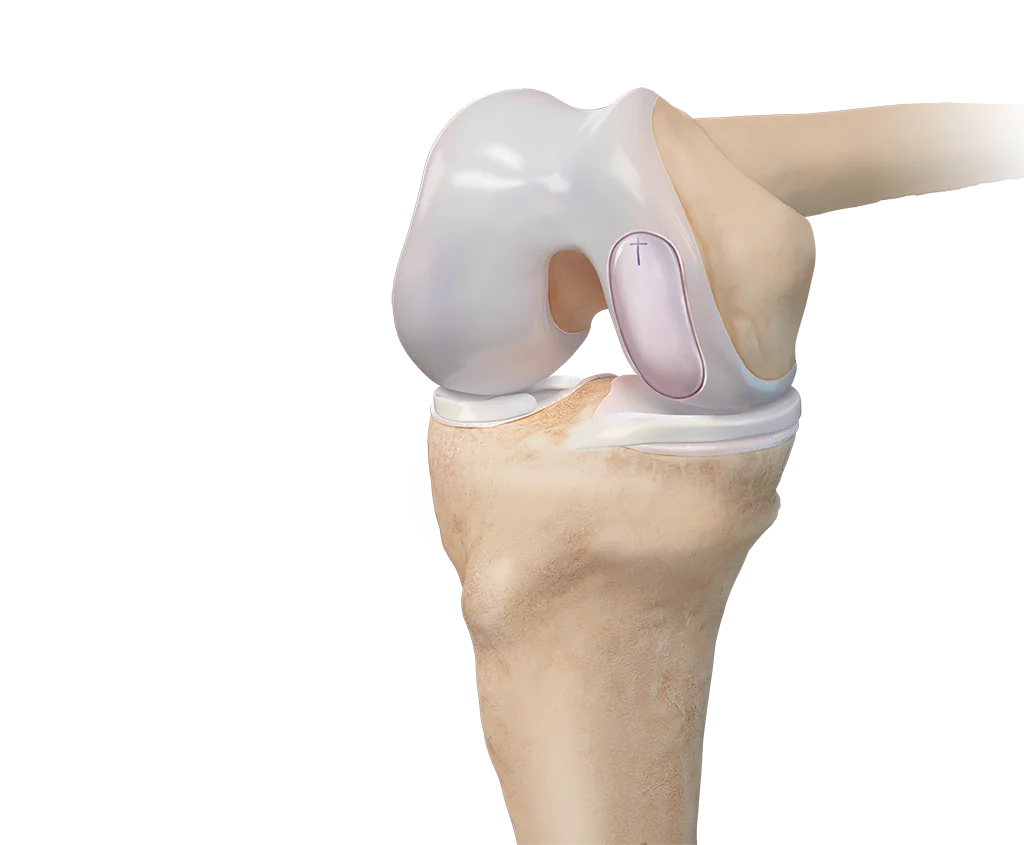
Compare Treatment Benefits
BENEFIT TYPE
Autograft OATS Technique
Allograft OATS Technique
BioUni Technique
Tissue source
Your Own Cartilage
Donor Cartilage
Donor Cartilage
Treats large defects?


Custom-fit graft
Used in
Knee, Ankle
Knee, Ankle
Knee
the TREATMENT
How Do the OATS Procedures Work?
Joint Inspection
Your surgeon will inspect the knee joint to confirm the size and location of your lesion and to determine if you need any other treatments.
Graft Sizing
Your surgeon will use a special sizer to identify the exact size and location of the graft they will use to replace your damaged cartilage and bone.
Recipient Site Preparation
Your surgeon will clean out the damaged area on your knee, called the recipient site, to prepare it for graft placement.
Graft Preparation
Your surgeon will collect your graft, either from your own knee in an autograft OATS procedure or a donor knee in an allograft OATS procedure. They will then use a surgical tool to shave the graft to the correct size and depth to ensure proper fit into your knee.
Graft Placement
Your surgeon will place the graft into the recipient site, then gently press or tap it in until it is secure. They may add a biologic putty to help the graft fit perfectly.
Can My Cartilage Defect Be Treated Without Surgery?
If your symptoms aren't affecting your daily life, your surgeon may suggest trying non-surgical options first. But if your symptoms are getting worse, surgery is usually recommended. Non-surgical options may include physical therapy, anti-inflammatory medication, or a knee brace to reduce pressure on the joint.
Frequently Asked Questions
Does this treat arthritic conditions?
expand_more
OATS procedures are meant for cartilage defects located in a specific area, such as those caused by trauma and some medical conditions. It serves to help replace and restore the cartilage in the location of a defect. These procedures are not used for arthritis due to the widespread damage to the cartilage.
There are several options available if you have osteoarthritis impacting large areas of the cartilage in your knee, including partial or total knee replacement (called arthroplasty) and/or correction of the alignment of your knee (called an osteotomy).8
Do these treatments prevent joint replacement?
expand_more
Fixing damaged cartilage early is can help prevent further injury, painful arthritis, and the need for a total joint replacement later in life.
While these surgeries are made to repair your cartilage and protect your joint, they are not a 100% guarantee that you will never need a joint replacement in the future. Everyone’s body heals differently, so it is important to talk with your doctor about your specific goals and long-term treatment plan.
Where do allografts come from?
expand_more
Cartilage and bone allografts like the ones used in OATS procedures come from people who chose to be organ and tissue donors after their deaths. Organizations called tissue banks decide what tissue can be safely used for surgeries by testing it for infectious diseases and cleaning it to remove any cellular components. Finally, the right size and shape of graft is chosen to fit your specific defect.
Can these procedures be revised if they don’t work?
expand_more
Like all surgeries, there are risks involved, including possible complications or failure of the graft. Your surgeon will discuss the risks involved with your surgery. There are many factors that could cause the graft to not work optimally. If this does happen, your surgeon will discuss your options and may explore other knee preservation techniques.
Need more information?
Download our patient guide for common questions you may want to ask your doctor.
